Smiley Christmas Font Review
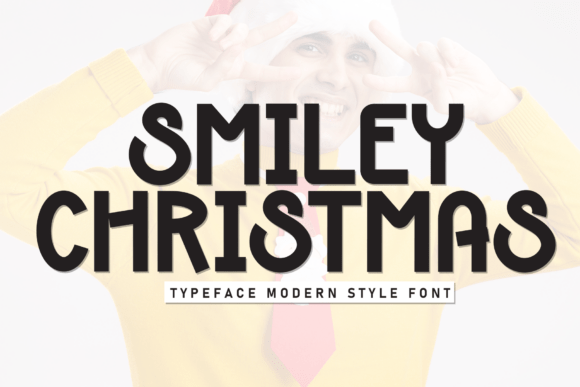
There I was, staring at a blank brand board for a new bakery project, trying to find the right visual tone. The client wanted something warm, inviting, and just a little bit playful—something that felt like a hug in type. I reached for Smiley Christmas, a handwritten display font that promises to bring whimsy and joy to any design.
Smiley Christmas for Bakery Branding and Sweet Packaging Design
Smiley Christmas works beautifully in bakery branding, where the goal is to evoke comfort and nostalgia. Its soft curves and slightly uneven strokes give it a handcrafted feel that aligns perfectly with artisanal food brands. On a packaging mockup, it added a personal touch that made the product feel more approachable and authentic.
The font’s personality leans toward fun and charm, making it ideal for short phrases like “Fresh Baked Daily” or “Sweet Treats.” It pairs well with clean, modern typography when used as a headline, but stands out on its own as a bold statement piece. I tested it on a business card and found it legible at medium sizes, though it might not be the best choice for long paragraphs.
Smiley Christmas for Social Media Graphics and Instagram Branding
When I placed Smiley Christmas on an Instagram post for a local café, it brought a sense of warmth and familiarity that resonated with the audience. The font’s unique character made the text stand out without overwhelming the visuals. It worked especially well in captions and promotional banners, where a friendly, conversational tone is key.
On a website header, it added a playful edge that complemented the brand’s overall aesthetic. However, I noticed that it didn’t always pair seamlessly with sans serif fonts, which are common in web design. A serif font or a complementary script could help balance the look while maintaining readability.
Smiley Christmas for Logo Design and Brand Identity Systems
I experimented with Smiley Christmas in a logo concept for a boutique skincare line. The font’s whimsical nature helped convey a sense of care and natural beauty. It worked well as a standalone logo, especially when paired with a simple icon or symbol. But I also found that it required careful spacing to avoid looking cluttered, especially when combined with other elements.
For a brand board, it served as a strong focal point, but I would recommend using it sparingly. It’s best suited for headlines, taglines, and short phrases rather than full-body text. In a creative studio identity project, it added a distinctive flair that set the brand apart from more traditional designs.
Smiley Christmas for Business Cards and Print Assets
Testing Smiley Christmas on a business card revealed its strengths and limitations. At 10pt size, it remained readable, but smaller sizes started to lose clarity. This makes it less ideal for fine print or detailed information. However, as a signature or contact title, it added a personal and artistic touch.
In printed materials like flyers and posters, it shone when used for headings and callouts. Its playful style caught the eye without being distracting. For a handmade shop branding project, it helped reinforce the brand’s craft-focused identity, making the design feel more connected to the maker’s hands.
Smiley Christmas for Web Design and Digital Typography
On a homepage hero section, Smiley Christmas created a lively and engaging visual. It worked well as a headline, drawing attention without overpowering the background. However, I noticed that it didn’t always render consistently across different browsers and devices, which is a consideration for web designers.
As a webfont, it should be used with caution. Pairing it with a neutral sans serif can help maintain balance and ensure the message remains clear. For editorial design, it can add a whimsical element to magazine covers or promotional materials, but again, it’s best reserved for short, impactful text.
Smiley Christmas is a premium font that delivers on its promise of charm and fun. It’s a great addition to any designer’s toolkit, especially for projects that benefit from a personal, handmade aesthetic. Just be mindful of its limitations in small sizes and formal contexts. Always test it thoroughly before finalizing any design, and consider licensing requirements if you’re using it for client work or commercial purposes.